No Two Projects Are the Same: Matthew Melaragno on Leading Complex Builds
Project Manager, Matthew Melaragno, on Building High-Performing Teams and Delivering Complex Projects
10 June 2026
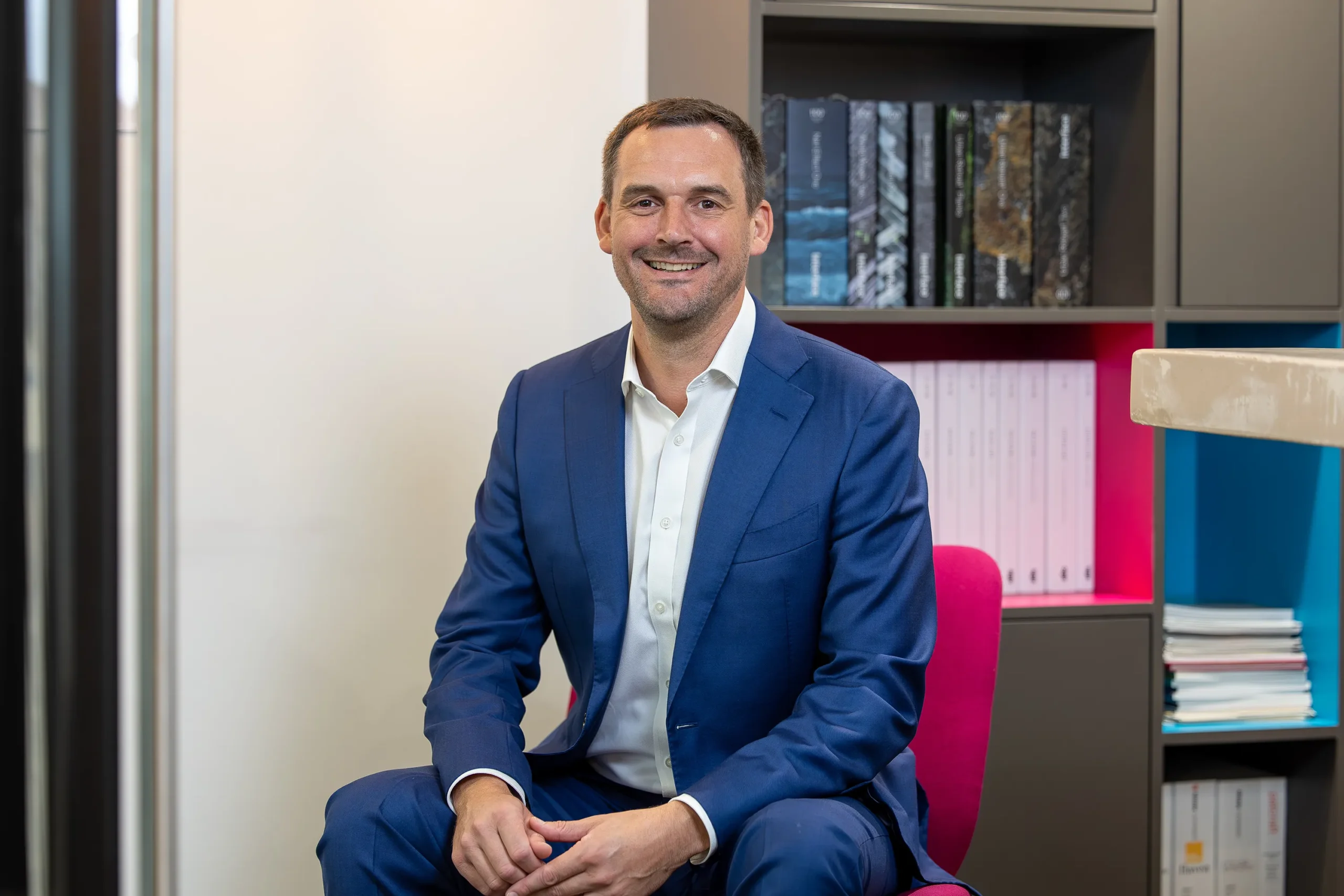
Matthew Melaragno's route into construction is anything but conventional, from helping his father on site as a child, to serving in the Canadian Army, to building his career across contracting, consulting, and development in Canada before making the move to the UAE. Now at ISG Middle East, he has led complex fit-out and construction projects across real estate, F&B, and retail.
1. Tell us about yourself and your journey in construction.
My journey into construction started long before my professional career. Growing up, I spent a lot of time helping my father on construction projects, which gave me an early appreciation for how things are built and the people behind them.
After serving 3 years in the Canadian Army, I decided to pursue construction professionally and completed a Bachelor of Technology in Construction Management from George Brown College.
I started my career in Canada and worked for TMG Builders, Graham Construction & Engineering, Multiplex Construction Canada, and Emblem Developments. Those roles gave me exposure to different sides of the industry, from general contracting through to working for a developer.
A major turning point came when I moved to the UAE. I joined Compass Project Consulting before moving to ISG Middle East, where I've continued to grow as a project leader. Working in the Middle East has exposed me to demanding clients, fast-paced programmes, and a very high standard of delivery.
Looking back, I've been fortunate to experience construction from the contractor, consultant, and developer side, and across two very different markets. Those experiences have shaped the way I lead projects today and reinforced the importance of teamwork, communication, and strong relationships.
2. What experiences and projects have shaped you most as a professional?
Some of the projects that shaped my early career include the construction of a 150,000-square-foot Costco Warehouse and Gas Station in Ottawa and a 300-plus-unit student residence for Queen's University.
Those projects taught me the importance of planning, coordination, and teamwork. They also showed me how many moving parts need to come together to successfully deliver a project.
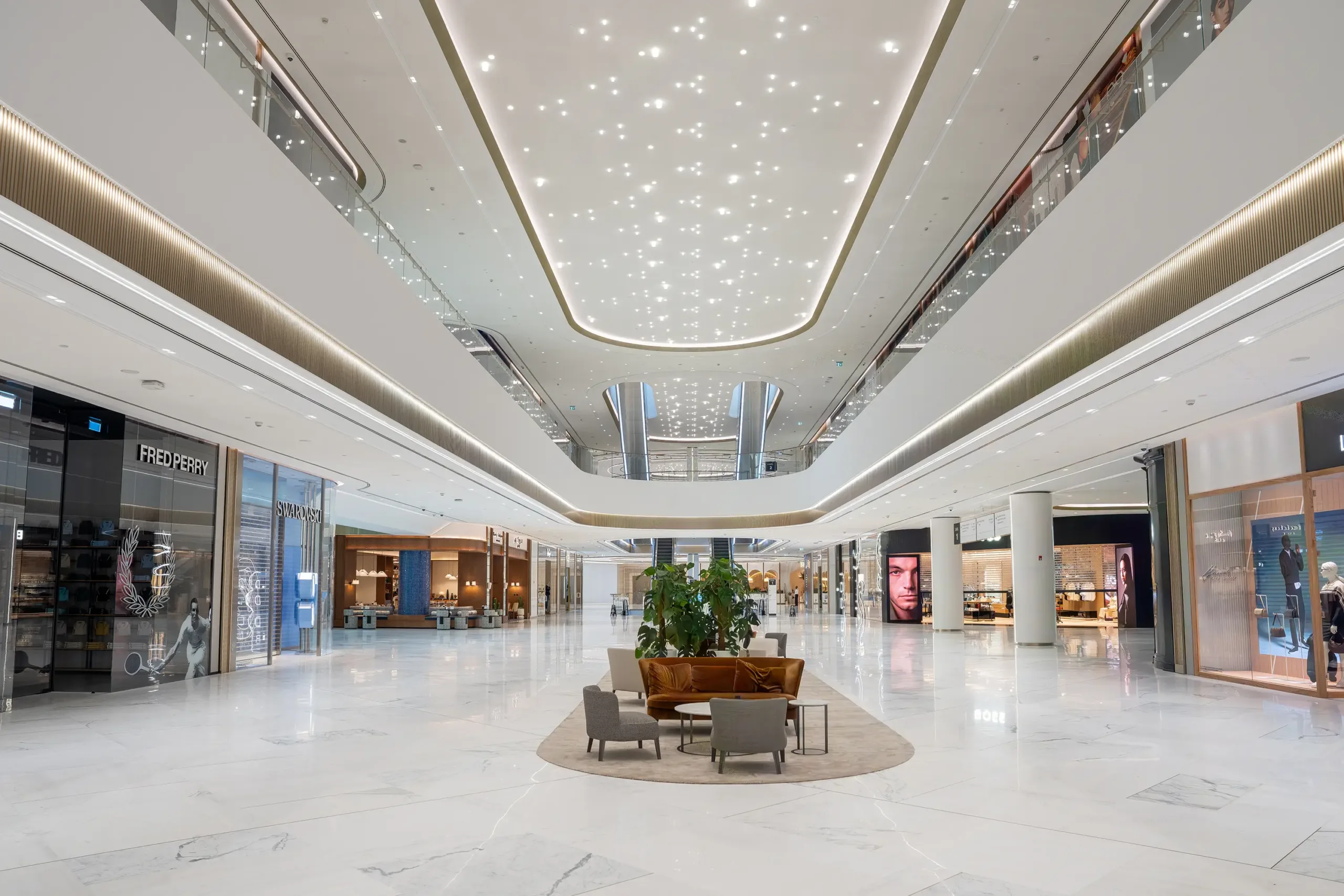
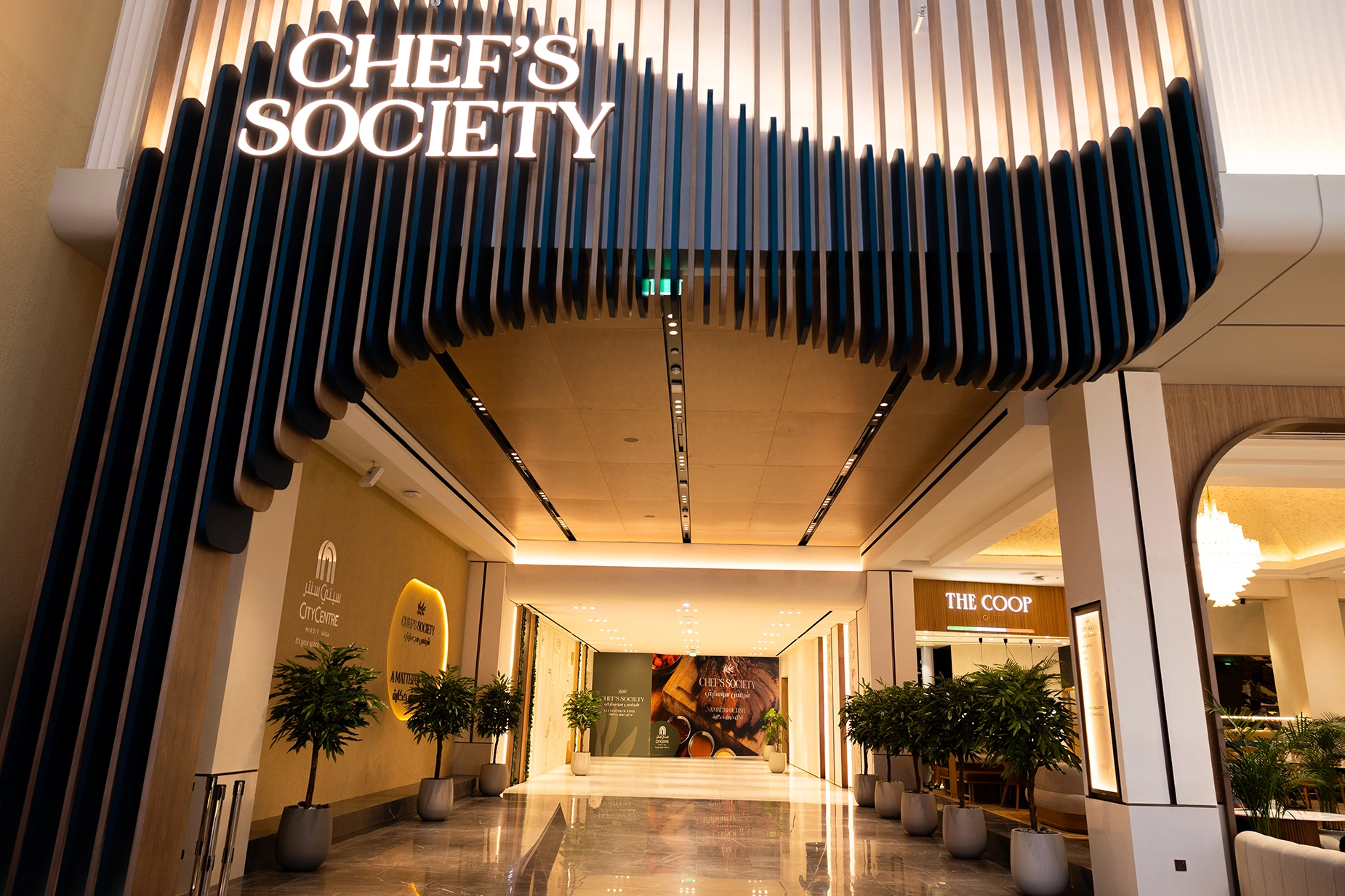
In the UAE, I've led multiple and complex projects for key developers within the real estate, F&B and retail. Each project brought different challenges and helped me develop my ability to lead teams, manage multiple stakeholders, and deliver projects in fast-paced, live environments. Looking back, it's been the challenging projects that have taught me the most.
3. What drew you to ISG Middle East?
What initially drew me to ISG was its reputation for delivering some of the region's most prestigious fit-out projects.
At that point in my career, I was looking for an opportunity that would challenge me and continue developing my leadership skills. ISG Middle East stood out because of the quality of its clients, the calibre of its projects, and the level of responsibility it gave its people.
I was attracted to the opportunity to work in an environment where client relationships, collaboration, and project delivery were at the centre of everything. The move also aligned with my goal of continuing to build my international experience while working on projects that demanded a high level of quality, planning, and stakeholder management.
4. What does leading a large-scale project mean to you, and how do you approach it differently from smaller, faster-paced work?
For me, leading a large-scale project is about creating an environment where the team can succeed. As projects become larger and more complex, success becomes less about one individual making every decision and more about having the right people, systems, and communication in place from the start.
One of the biggest differences between large projects and smaller, fast-paced projects is the amount of planning and stakeholder management required. Smaller projects often require quick decisions and fewer layers of coordination. Larger projects involve more stakeholders, more risk, and more dependencies that need to be managed.
My role is to keep everyone aligned, maintain focus on the bigger picture, and make sure the team has what it needs to be successful.
5. How do you build and lead a strong team on a complex project?
I believe leadership needs to evolve as projects become larger and more complex. The larger the project, the larger the team, and with that comes different personalities, experiences, and working styles. My role is to bring those people together around a common goal.
I focus on empowering people, removing obstacles, supporting decision-making, and making sure everyone understands what we're trying to achieve.
Ultimately, leading a strong team is about creating an environment where people can do their best work while keeping everyone focused on safety, quality, programme, and client satisfaction.
6. Construction rarely goes exactly to plan. How do you respond when a project is under pressure, and what does that bring out in you as a leader?
Construction is a dynamic industry, and no project ever goes exactly to plan.
Whether it's unforeseen site conditions, design changes, procurement challenges, programme pressures, or even external events beyond your control, there will always be obstacles that require the team to adapt.
When a project comes under pressure, I focus on understanding the issue, identifying the root cause, and assessing the impact on programme, cost, quality, and safety. Once we understand the problem, we can focus on developing the solution.
I've always believed that challenging situations are opportunities for growth. Anyone can manage a project when everything is going well. The real test is how you respond when things don't go according to plan.
7. How do you manage client relationships through challenging moments of a project?
For me, strong client relationships are built on trust, and trust is built through communication and transparency.
I've always believed it's better to deliver difficult news early than to try and manage it internally and have the client discover it later. Construction projects are complex, and issues will always come up. What clients remember is not necessarily that there was a problem, but how it was communicated and how it was managed.
When challenges such as scope changes, programme pressures, or unforeseen issues, I focus on being transparent and solution oriented. Rather than simply presenting problems, I try to bring options, recommendations, and a path forward.
Clients don't expect perfection. They expect honesty, accountability, and a plan. If you can consistently provide those three things, you can work through almost any challenge together.
8. How do you ensure quality and standards are never compromised, even when the pressure to deliver is at its highest?
I believe maintaining quality under pressure comes down to discipline and sticking to the fundamentals.
Every project reaches a point where there is pressure to deliver, whether it's client deadlines, procurement challenges, or internal KPI's.
I've always believed quality starts at the beginning of a project. That means following established processes, implementing inspection and test plans, completing mock-ups and first-in-place installations, and making sure work is reviewed and approved before progressing to the next stage.
Something I always remind myself is that programme is important, but the quality of the finished product is what clients remember.
9. Any final thoughts? What keeps you motivated?
What keeps me motivated is the opportunity to create something tangible and lasting. One of the things I love most about construction is that every project starts as an idea and, through the efforts of many people, becomes a real environment that people get to use, experience, and enjoy.