How ISG Middle East built trusted digital workflows across every project
Case Study by RDrive by SnagR
For ISG Middle East, improving project delivery didn’t begin with a company-wide digital transformation programme. It began with a simple objective: make daily processes easier for the people delivering projects. What followed wasn’t a change in direction, but a gradual evolution. One workflow became many, and a platform originally introduced for defect management grew into a trusted part of project delivery across the business.
PROJECT OVERVIEW
Client: ISG Middle East
Industry: Construction, Engineering & Fit-out
Location: United Arab Emirates
Supporting
- Defect Management
- Quality Observations
- Inspection Requests
- Site Diaries
- HSE Observations
- Asset & Tool Management
AT A GLANCE
The Challenge
As ISG Middle East expanded across construction, engineering and specialist sectors, project teams needed a consistent way to manage defects, inspections, quality, safety, and project information without introducing unnecessary complexity. The challenge wasn’t simply adopting new technology but building on established processes in a way that improved efficiency while maintaining consistency across every project.
The Solution
Rather than replacing existing ways of working, ISG Middle East expanded its use of RDrive gradually over seven years. What began as a defect management solution evolved to support inspection requests, quality observations, site diaries, HSE processes and asset management, with each new workflow introduced only where it solved a genuine operational need. Familiar processes remained familiar, allowing teams to adapt without disruption.
The Outcome
- Supporting 43 ISG Middle East projects across Dubai
- Trusted by almost 7,000 users across ISG Middle East
- Seven years of continuous use and expansion
- Approximately 75% daily adoption across project teams
- Average defect close-out reduced from 35 – 40 days to below 20 days
- New projects configured internally in just a few hours
- Consistent digital workflows embedded across quality, inspections, and HSE
- Greater operational efficiency without changing the way project teams work

Ross Hopwood
Head of HSQE, ISG Middle East
“We’ve simply built on what already worked, introducing new workflows where they solved a genuine operational need.”

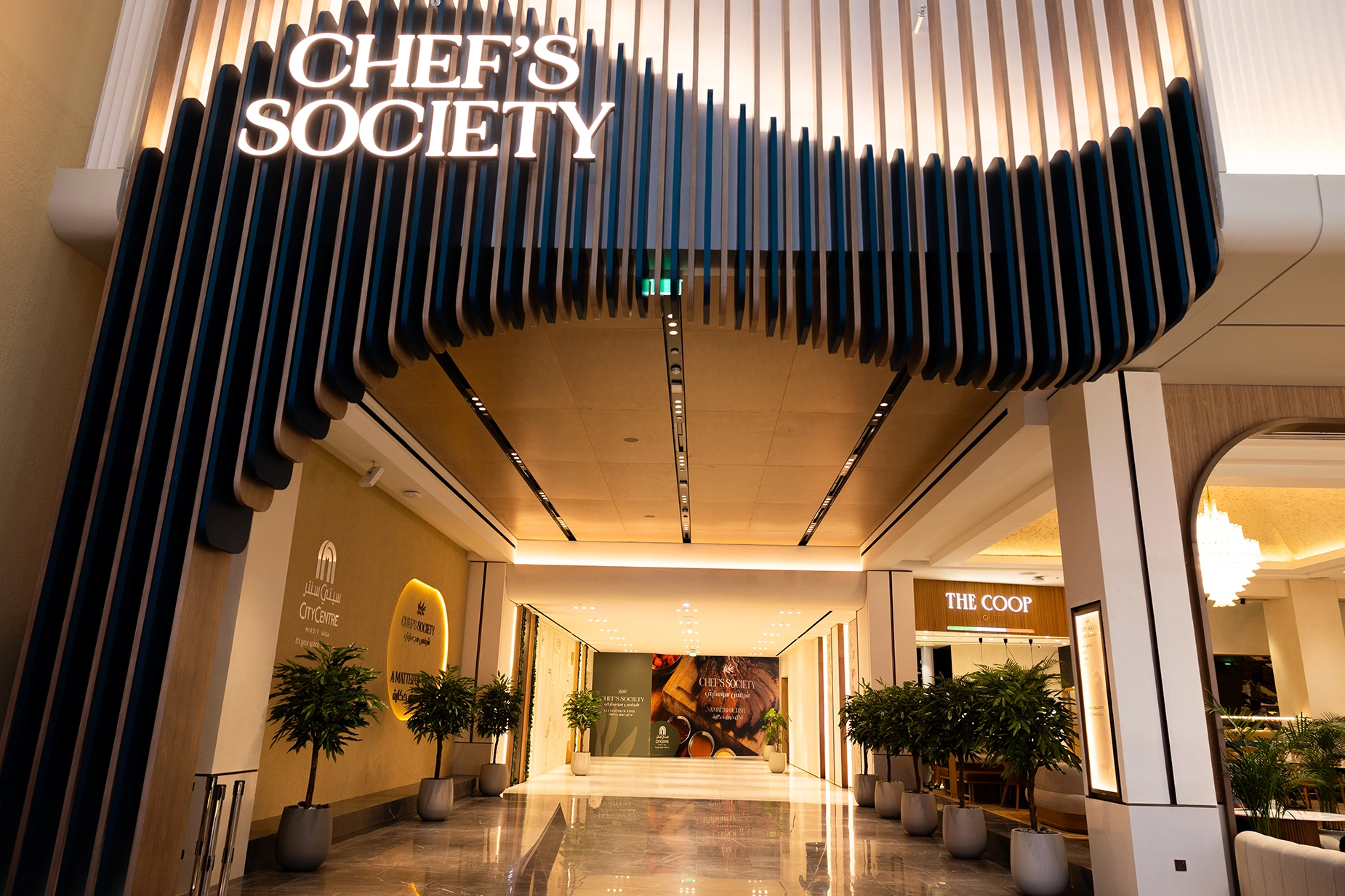
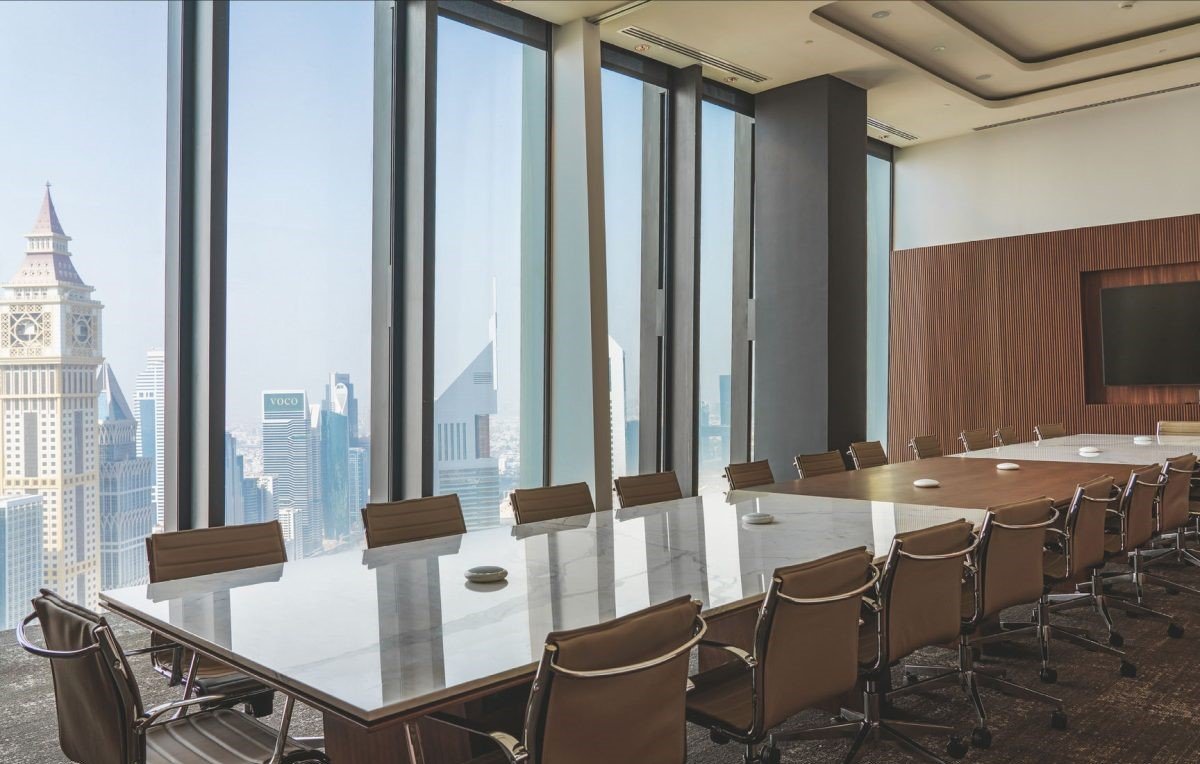
A contemporary workplace fit-out delivered for Sweid & Sweid, reflecting the detail and coordination involved in ISG Middle East’s commercial interiors projects.
Keeping Projects Moving
Every construction business looks for opportunities to improve the way projects are delivered.
For ISG Middle East, that hasn’t meant introducing new technology for the sake of it. The focus has always been much more practical: removing unnecessary effort, improving consistency, and making daily processes easier for the people delivering projects.
Over the past seven years, that philosophy has shaped the way digital workflows have evolved across 43 ISG Middle East projects in Dubai, supporting thousands of users across the business. Rather than replacing established ways of working every time a new operational challenge emerged, ISG Middle East built on processes its project teams already knew and trusted, expanding their use only where they solved a genuine operational need.
As Head of HSQE, Ross Hopwood has played a key role in that journey. ”We’re always looking at how we can become more operationally efficient,” he says. “How can we save time? How can we reduce cost? How can we make things easier for the people delivering projects?”
It’s a straightforward way of thinking, but one that has influenced far more than the technology itself. Each improvement has been introduced because it made life easier on site, not because the business was pursuing a broader programme of digital transformation.
One workflow became many
That approach is reflected in the way ISG Middle East’s use of RDrive has developed over time.
When Ross joined the business almost seven years ago, the platform was already well established for defect management. Quality issues could be raised, assigned, and tracked through to completion, giving project teams a reliable way to manage one of the busiest parts of day-to-day project delivery.
For several years, that remained its primary role. The opportunity to do more emerged by chance.
“I was just navigating around the website,” Ross recalls.
“You start seeing Inspection Requests, health and safety observations, action management… and you realise there’s much more there than what you’re using.”
What followed wasn’t a wholesale review of existing systems or a decision to digitise every process at once. Each new workflow was introduced because it answered a practical operational need.
Inspection Requests came first, followed by health and safety observations and site diaries. As those workflows became established, project teams were able to build on processes that already felt familiar rather than introducing separate systems for each new requirement.
More recently, the same approach has extended into asset and tool management, supporting ISG Middle East’s growing engineering and MEP capability.
The progression has been gradual, but consistent. “We’ve just expanded as we’ve found new uses for it” explains Ross.
The platform didn’t grow because the business set out to digitise everything. It grew because each addition answered an operational need as the business evolved.
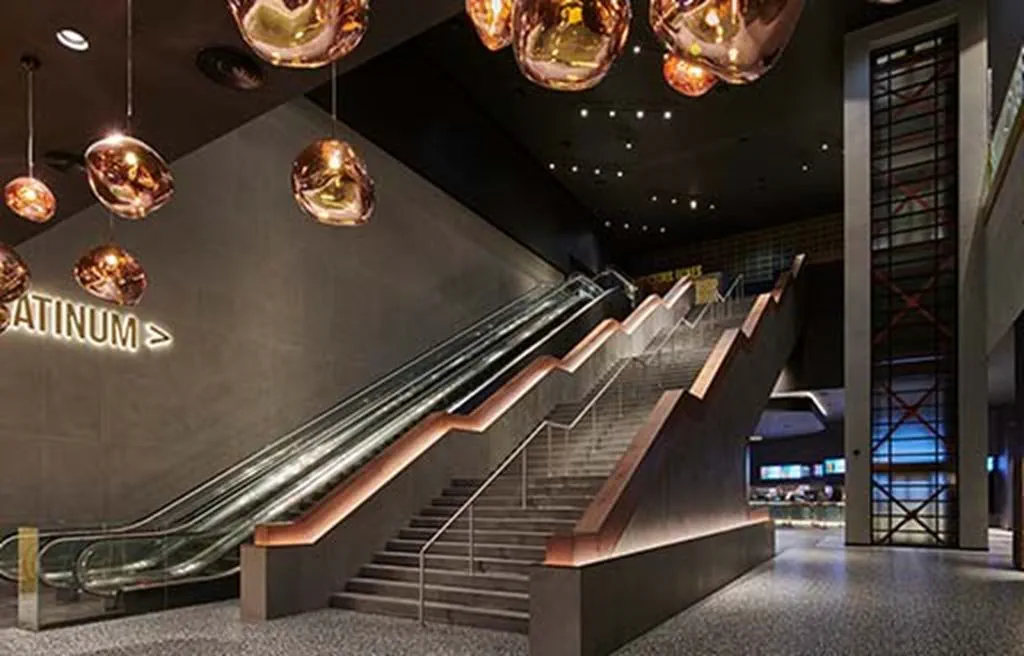
PROJECT SPOTLIGHT
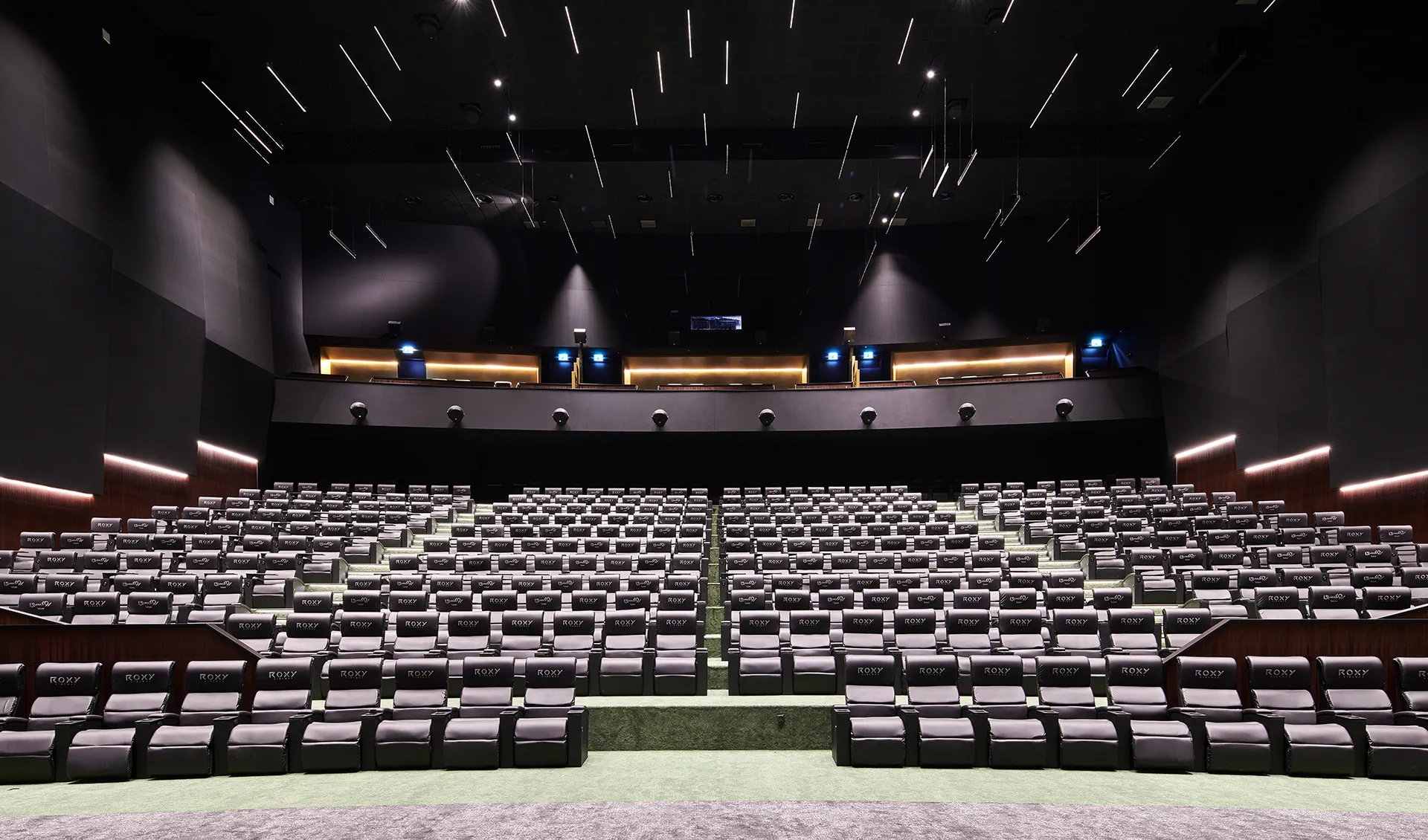
rOXY cINEMA, dUBAI hILLS mALL
Projects such as Roxy Cinemas at Dubai Hills Mall demonstrate the level of coordination required on modern fit-out developments.
The destination includes Roxy Xtreme, a 423-square-metre cinema screen recognised by Roxy Cinemas and Dubai Holding as the largest cinema screen in the Middle East and North Africa. Delivering a project of this scale involves multiple specialist contractors working alongside one another, often within compressed programmes where inspections, approvals and quality checks need to happen quickly to maintain progress.
For project teams, reliable information is every bit as important as technical expertise.
Trust comes first
As ISG Middle East expanded its use of RDrive, one change became increasingly noticeable. The conversations on site began to change.
Less time was spent confirming whether inspections had been completed or checking if quality issues had been resolved. Instead, project teams were able to move more quickly to the next decision, confident that the information in front of them reflected what was happening on site.
The value of that trust is captured in one sentence by Ross. “If it says it hasn’t been fixed, it hasn’t been fixed.”
Few people working in construction need any further explanation.
Confidence in project information isn’t built through policy or process alone. It develops over time, becoming part of the way teams work every day.
Today, RDrive supports 6,887 users across ISG Middle East, reflecting the scale at which those everyday workflows now operate. Some are managing defects. Others are completing inspections, reviewing actions, or updating site diaries. The workflows vary from project to project, but the principle remains the same: everyone is working from the same information.
“It’s quick, easy and efficient. People know how to use it.”
By this stage, the technology itself has faded into the background. It has become another part of everyday project delivery, supporting the work rather than becoming the focus of it.
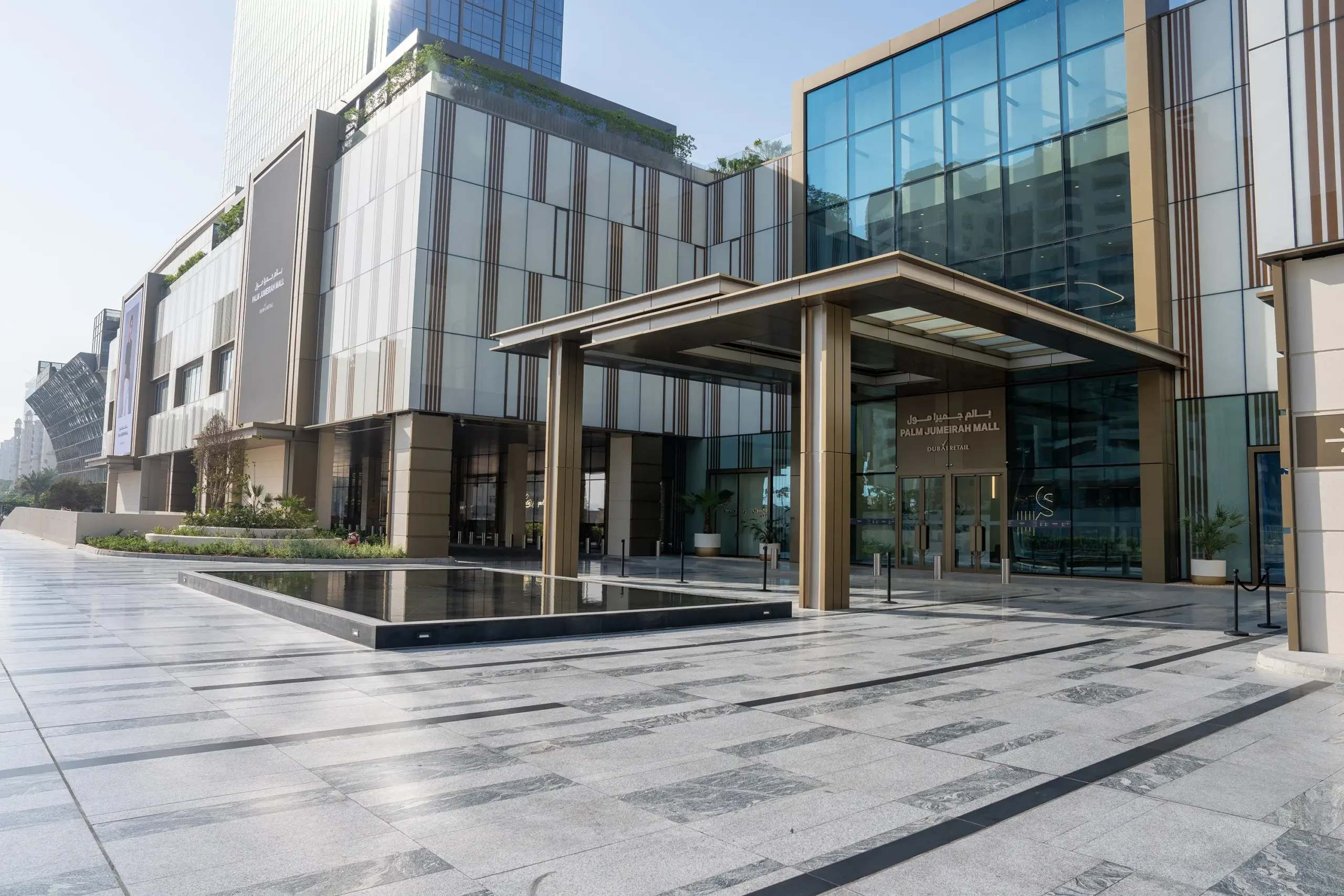
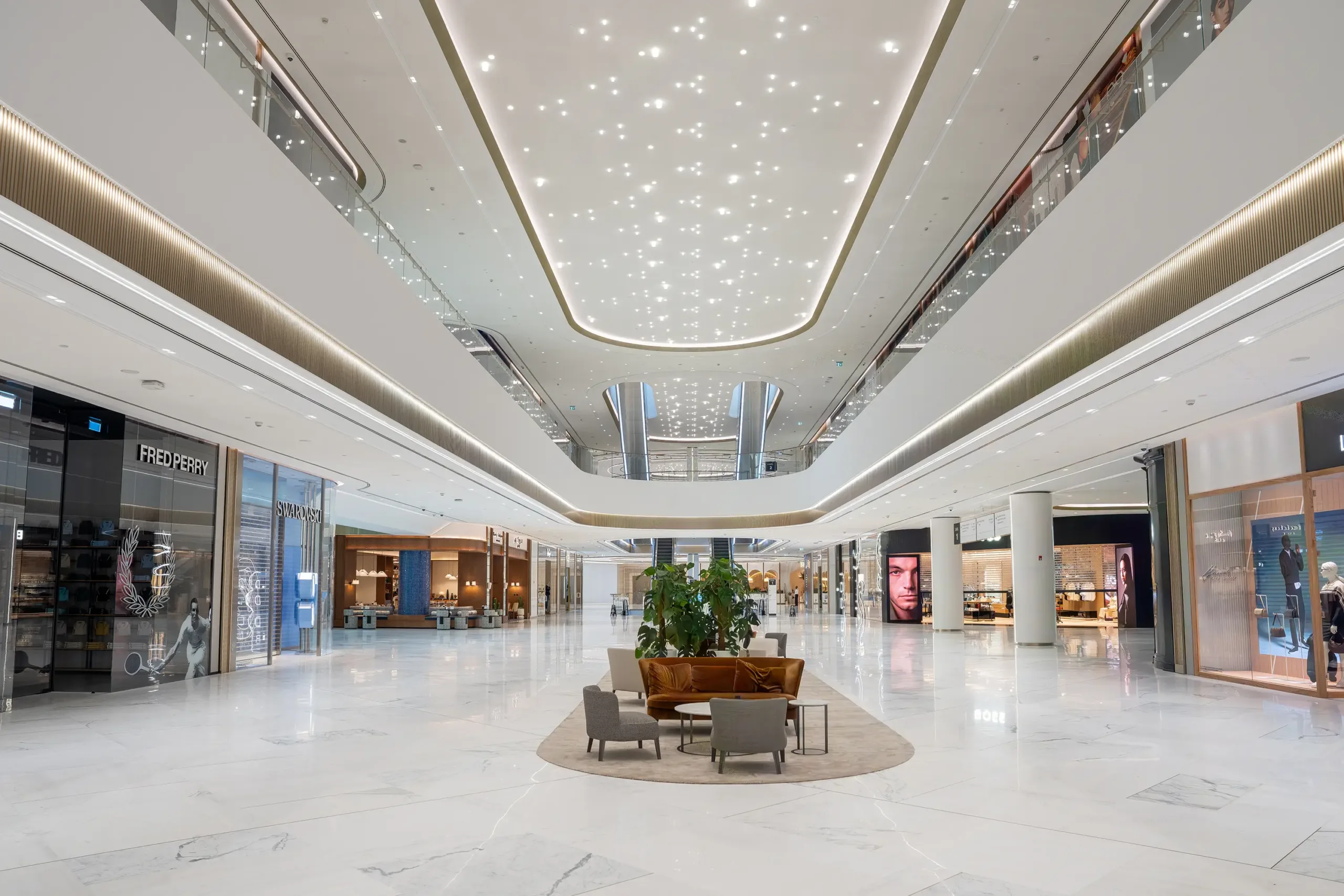
Palm Jumeirah Mall in Dubai, part of the varied project environment in which ISG Middle East delivers complex construction and fit-out work.
Supporting every new project
As confidence in the platform grew, so did the way ISG Middle East used it.
Introducing new workflows was only part of the story. Equally important was the ability to adapt familiar processes to suit each new project without starting again.
That flexibility has become increasingly valuable as the business has broadened its portfolio across commercial interiors, construction, and engineering. Reporting requirements differ, inspection processes vary and clients often bring their own quality expectations, yet project teams continue to work within a framework they already understand.
Rather than relying on external support, projects are configured internally and existing workflows adapted to meet the needs of each project.
“We’ve got people in the business who know the platform inside out. If we need to configure a project, we can normally do it ourselves in a couple of hours.”
It’s another indication of how the relationship between ISG Middle East and the platform has evolved. The knowledge now sits within the business itself, allowing new projects to get underway quickly while maintaining the consistency that project teams have come to expect.

Growing with the business
Seven years after first being introduced, RDrive continues to evolve alongside ISG Middle East. What began as a straightforward solution for defect management now supports 43 live projects across Dubai and almost 6,900 users, while continuing to expand into new operational workflows.
What began as a straightforward solution for defect management now supports inspection requests, quality observations, site diaries and health and safety processes across every project. More recently, the business has begun extending the same approach into asset and tool management as its engineering and MEP capability continues to grow.
What’s striking is how little of that expansion feels like change.
Each new workflow has been introduced because it solved an operational requirement that already existed, allowing the business to build on familiar ways of working rather than introducing another system for project teams to learn.
The same approach has continued ever since. “We’ve just expanded as we’ve found new uses for it” says Ross.
Over seven years, ISG Middle East hasn’t pursued digital transformation as an objective. Instead, it has continued refining the way projects are delivered, one practical improvement at a time.
Growing with the business
Seven years after first being introduced, RDrive continues to evolve alongside ISG Middle East. What began as a straightforward solution for defect management now supports 43 live projects across Dubai and almost 6,900 users, while continuing to expand into new operational workflows.
What began as a straightforward solution for defect management now supports inspection requests, quality observations, site diaries and health and safety processes across every project. More recently, the business has begun extending the same approach into asset and tool management as its engineering and MEP capability continues to grow.
What’s striking is how little of that expansion feels like change.
Each new workflow has been introduced because it solved an operational requirement that already existed, allowing the business to build on familiar ways of working rather than introducing another system for project teams to learn.
The same approach has continued ever since. “We’ve just expanded as we’ve found new uses for it” says Ross.
Over seven years, ISG Middle East hasn’t pursued digital transformation as an objective. Instead, it has continued refining the way projects are delivered, one practical improvement at a time.
Measuring progress
Whilst some improvements are easy to quantify, others become visible only after they’ve become part of everyday work.
Average defect close-out provides one measure. Daily adoption across project teams provides another. Both offer useful indicators of how consistently the platform is being used across the business.
Time saved is more difficult.
Construction projects rarely lose hours in one obvious place. More often, time disappears in small interruptions repeated throughout the day: confirming whether work has already been inspected, checking that an issue has been closed before another trade begins, or finding the latest project information before making a decision.
“You can’t really measure it. But you’re definitely saving a lot of time.”
Projects are still delivered by experienced people making good decisions at the right time. What has changed is how easily those decisions can be supported by information that project teams trust.
Looking ahead
ISG Middle East’s portfolio has continued to evolve over the past seven years.
Commercial fit-out remains an important part of the company’s work, but the portfolio continues to broaden. Construction, engineering, logistics, manufacturing, and data centres each bring different technical demands, different client expectations, and different ways of working. What connects them is the need for consistent information throughout the life of a project.
That evolution has also changed the way ISG presents itself to prospective clients. As the business has expanded into larger and more complex projects, established digital workflows, underpinned by RDrive, have become part of its wider operational capability. Rather than being introduced once a project has been won, they demonstrate the maturity and consistency that clients increasingly expect to see during the procurement process.
As the business has grown over the past seven years, so too has the way it manages that information. What began on a single workflow now supports 17 active projects across Dubai, with established digital processes forming part of the way ISG delivers – and increasingly wins – complex projects.
The platform that once supported defect management now sits alongside inspections, quality observations, site diaries and health and safety processes, providing project teams with a consistent way of working regardless of the project in front of them. New workflows continue to be introduced where they solve a genuine operational need, but always with the same principle in mind: build on what already works.
Technology should remove unnecessary effort, support good decision-making and allow experienced teams to spend more time delivering projects than managing administration.
That philosophy has remained remarkably consistent over the past seven years, even as the business itself has continued to evolve.
For more details about RDrive by SnagR please visit: https://rdrive.io/en/
Why defect close-out matters
Every outstanding defect affects more than the item itself.
Until it is resolved, inspections may remain incomplete, follow-on trades can be delayed, and project teams are left managing uncertainty rather than progress. Closing issues quickly helps maintain momentum and provides a clearer picture of what still needs attention.
ISG Middle East measures that closely.
Average defect close-out has reduced from around 35 – 40 days to below 20 days, while around 75% of project teams now use the platform every day. This isn’t viewed in isolation. It provides an indication of how efficiently quality issues are being identified, assigned, and resolved while projects continue to move forward.